

EPR and Plastic Rules in 2026: What Restaurants Must Know
India runs two plastic rulebooks now: the single-use ban and EPR. What each means for restaurants, caterers and cloud kitchens, in plain English, mid-2026.
A delivery-first kitchen in Ahmedabad called me in April. The owner ran three brands out of one cloud kitchen, all on Swiggy and Zomato, and he had just seen a notice about EPR registration doing the rounds in a WhatsApp group of restaurant owners. His question was blunt. “I don’t manufacture anything. I fry food and pack it. Why is anyone calling me a producer?” It is the most honest question in this subject, and most food businesses have not asked it yet.
So here is the direct answer, because two separate rulebooks are now in play. One is the single-use plastic ban, which stops you from using specific throwaway plastic items. The other is EPR, Extended Producer Responsibility, which makes whoever puts plastic packaging on the market pay to collect and recycle an equal amount of it. A restaurant, caterer, or cloud kitchen can be caught by one, both, or neither. If you understand the EPR plastic rules and where restaurants actually sit inside them, most of the panic goes away. This is the plain-English version, current as of mid-2026.
What is actually banned for food businesses
India banned 19 identified single-use plastic items with effect from 1 July 2022, notified by the Ministry of Environment under the Plastic Waste Management Rules. Per the government’s own July 2022 announcement, the food-service items on that list are the ones that matter to you:
Plastic plates, cups, glasses, cutlery (forks, spoons, knives), straws, trays, and stirrers. Thermocol (polystyrene) used for decoration. Wrapping or packing films around sweet boxes and invitation cards.
Plastic carry bags are handled by thickness rather than an outright ban: bags thinner than 120 microns have been prohibited since the end of 2022, per the Environment Ministry notification. A flimsy plastic bag is the rule you are breaking.
This part is simple: if a banned item is in your kitchen or storeroom, you are exposed, whether you bought it or the caterer did. For how that plays out during an inspection, we wrote a whole piece on what plastic-ban enforcement looks like on the ground.
What EPR means, in plain English
EPR flips the logic of waste. Instead of the municipality being responsible for cleaning up plastic, the duty goes back to whoever created it. If you put plastic packaging into the market, you have to make sure an equal weight is collected and recycled, and you prove it by buying and surrendering verified plastic credits.
The Plastic Waste Management Rules, 2016 placed this duty on three kinds of people, together called PIBOs:
- Producer: a company that makes plastic packaging or plastic raw material.
- Importer: anyone who imports plastic packaging, or products packed in plastic.
- Brand owner: any company that sells a product in plastic packaging under its own brand name.
That third one, brand owner, is where food businesses get pulled in. The detailed EPR guidelines came through the Plastic Waste Management (Amendment) Rules, 2022, notified on 16 February 2022, per the Central Pollution Control Board. Plastic packaging is sorted into four categories: rigid (Category I), flexible films and pouches (Category II), multi-layered (Category III), and compostable plastics and carry bags (Category IV). Each carries its own recycling targets, which step up year on year.
So does EPR apply to a restaurant?
Honestly, it depends on what leaves your kitchen, and I would rather tell you the truth than sell fear.
A pure dine-in restaurant that serves on washable crockery and hands out nothing in plastic is usually not a brand owner. EPR was not written for you.
A cloud kitchen, a delivery brand, or a caterer that packs food in plastic containers, seals it with plastic film, and drops it in a printed plastic bag with your logo on it is putting branded plastic packaging into the market. That is the definition of a brand owner. My caller in April was one, whether he liked the word or not.
The honest caveat: who registers where is set by notification and gets revised. As a rule of thumb reported by CPCB, a business operating in one or two states registers with its State Pollution Control Board, and one across more than two states registers centrally with CPCB. Confirm your own position against the current notification, not a WhatsApp forward.
The CPCB EPR portal and registration
The mechanism is a single online portal. CPCB launched its centralized EPR portal for plastic packaging on 5 April 2022, and it is now the one place where a PIBO registers, declares how much packaging it introduces, files annual returns, and settles targets through plastic credits. A newer amendment in force from 1 July 2025 adds a traceability step: a barcode or QR code carrying the EPR registration number on the packaging. Because that piece is recent, treat the fine detail as something to confirm in the latest notification rather than take from me as settled.
What are the penalties
There are two layers, and I will not invent numbers for either.
Environmental compensation. The pollution control boards levy environmental compensation on violators, charged by the tonne and the type of violation. The rates are set in the guidelines and get revised, so read the current schedule, not an old figure.
The Act behind it. Plastic rule violations sit under the Environment (Protection) Act, 1986. That Act was amended by the Jan Vishwas (Amendment of Provisions) Act, 2023, in force from 1 April 2024, which replaced imprisonment for many offences with monetary penalties of not less than one lakh rupees, adjudicated by an officer. On top of that, municipal bodies charge their own spot fines for using banned single-use items, and those vary by city.
The headline for a food business: this is now mostly a money problem, not a jail problem, and the money is meant to cost more than just complying would.
Where switching tableware helps, and where it does not
Here is the part I am biased about, so I will draw the line carefully.
| Your risk | The single-use plastic ban | Plastic EPR |
|---|---|---|
| Plastic plates, cups, cutlery, straws | Banned outright | Not the main issue |
| Branded plastic delivery packaging | Carry-bag thickness rules apply | You may be a brand owner |
| Rice husk plates, bowls, cups | Not banned (not plastic) | Outside the framework (not plastic) |
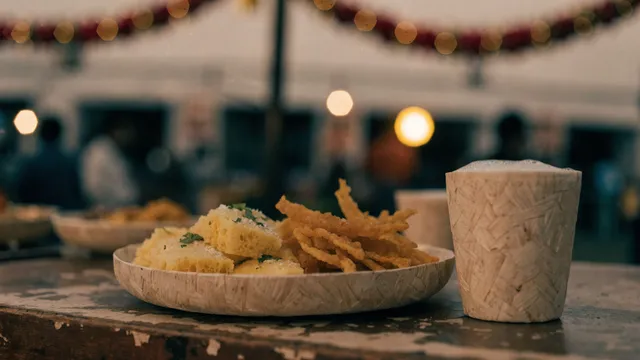
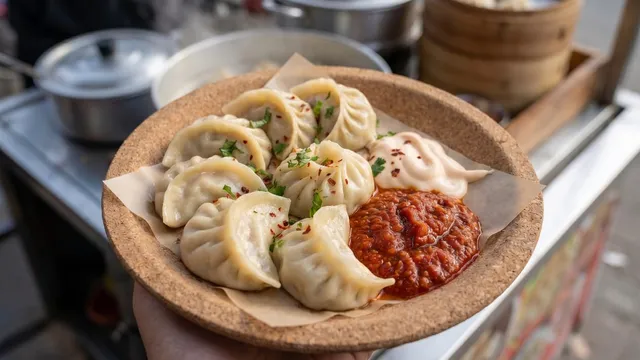
Rice husk and rice bran tableware is not plastic. It is not even compostable plastic, which still counts as Category IV under EPR. It is a natural-fibre product, so it falls outside the single-use ban list and outside the plastic EPR framework entirely. Switching your plates, bowls, and cups closes the tableware exposure cleanly, and it is far simpler than managing recycling targets and credits on plastic tableware you never needed.
But it does not clean up everything. If you still seal deliveries in plastic pouches, hand out sub-120-micron bags, or sell branded bottled drinks, that packaging can still make you a brand owner with EPR duties. The tableware switch solves the plates. It does not solve your whole packaging footprint. Anyone who tells you a single product makes you “fully compliant” is selling, not advising.
What to do this week
3 July is International Plastic Bag Free Day, established in 2009, a low-cost peg to move on this rather than wait for a notice. A sensible order of operations:
- Walk your storeroom and pull anything on the banned single-use list. That risk is immediate and needs no lawyer.
- Ask one question: does branded plastic packaging leave my kitchen? If yes, get proper advice on EPR registration.
- Replace throwaway plastic tableware with a natural-fibre alternative that is already food-safe, so you shrink the exposure you can control today.
For institutions doing this at scale without breaking service, our guide to switching a corporate canteen walks through the trial structure. If you want to talk through sizes, volumes, and samples for your operation, reach us here.
None of this is legal advice. Rules and rates change by notification, so confirm the current position with the latest CPCB notification or your compliance consultant before you act on a number.
Sources
- Ministry of Environment / Press Information Bureau: “Ban on identified Single Use Plastic Items from 1st July 2022” (19 items, effective 1 July 2022).
- Central Pollution Control Board: Plastic Waste Management Rules and the Amendment Rules, 2022 (notified 16 February 2022); centralized EPR portal launched 5 April 2022; four packaging categories and PIBO registration.
- Plastic Waste Management (Amendment) Rules on traceability (barcode / QR with EPR registration number), in force 1 July 2025.
- Jan Vishwas (Amendment of Provisions) Act, 2023, amending the Environment (Protection) Act, 1986, in force 1 April 2024.
- International Plastic Bag Free Day, observed 3 July, established 2009.
Aura Farmers makes biodegradable tableware, plates, bowls, cups, and cutlery, from rice husk and rice bran, with no plastic and no synthetic binder. For bulk orders and samples, reach us on WhatsApp at +91 81403 47773. Made in Ahmedabad, shipped pan-India.
Frequently Asked Questions
Does EPR apply to restaurants and cloud kitchens?
EPR applies to producers, importers, and brand owners of plastic packaging. A dine-in restaurant that uses no plastic packaging usually does not fall under it. But a cloud kitchen, delivery brand, or caterer that packs food in plastic containers, pouches, or carry bags under its own name can count as a brand owner and may need to register on the CPCB EPR portal. Check the current CPCB notification or your consultant for your specific case.
Which single-use plastics are banned in India?
As of mid-2026, India bans 19 identified single-use plastic items under the Plastic Waste Management Rules. For food service the banned items include plastic plates, cups, glasses, cutlery such as forks, spoons and knives, straws, trays, stirrers, and thermocol used for decoration. The ban took effect on 1 July 2022.
Is EPR the same thing as the single-use plastic ban?
No. They are two different rules. The single-use plastic ban stops you from using specific throwaway plastic items like plastic plates and straws. EPR, or Extended Producer Responsibility, makes whoever puts plastic packaging into the market responsible for collecting and recycling an equal amount of it. A food business can be touched by one, both, or neither.
What is the penalty for using banned plastic tableware?
Violations attract environmental compensation levied by the pollution control boards, and municipal bodies also charge spot fines that vary by city. Under the Environment Protection Act as amended by the Jan Vishwas Act, which came into force in April 2024, many offences now carry monetary penalties of not less than one lakh rupees rather than jail. Confirm the current figures in the latest notification.
Does switching to compostable tableware remove my EPR obligation?
Natural-fibre tableware, like rice husk plates, is not plastic at all, so it sits outside both the single-use plastic ban and the plastic EPR framework. It removes your exposure on the tableware itself. It does not cancel EPR on any other plastic packaging you still put on the market, such as delivery pouches or branded bottles.